
Not All CMS Platforms Are Created Equal: A Strategic Guide to Choosing the Right One for Your Business

Introduction In a digital-first world today, content is currency and how it is handled is key to business success. Whether you are creating a website, putting a digital product to market, or operating an e-commerce store, your content management system (CMS) is instrumental in defining the user experience, driving engagement, and growing the business. Not all CMS are same because each has its strengths, weaknesses, and optimal use case. Strategic decision is to be done decision based on your business objectives, technical organization, and customer experience needs to select the right CMS. Let’s have a look at the most widely used CMS platforms and how they meet specific business requirements. WordPress – The Go-To for Speed and Simplicity WordPress powers over 40% of websites across the world. It’s an open-source platform that’s easy to use, provides flexibility, and supported by a massive plugin ecosystem. Whether you are running a blog, launching a company site, or building a content-rich portal, WordPress offers a fast, budget-friendly route to getting online. Key strengths: Best for: Considerations: Strapi – Headless CMS for Frontend Freedom Strapi is a headless CMS designed for developers. It’s API-first, so the frontend isn’t tied to the backend. This means you’re totally independent to use whatever frontend framework (React, Vue, Angular, etc.) and deliver content to websites, mobile applications, IoT devices, and more. Key strengths: Best for: Considerations: If you need frontend flexibility and API-first delivery then choose Strapi. Magento (Adobe Commerce) – E-Commerce Powerhouse Magento is an in-depth e-commerce solution developed for businesses that require strong product management, sophisticated pricing rules, adaptive checkout, and heavy customization. It is scalable and well-suited for medium to large online stores. Key strengths: Best for: Considerations: Magento is ideal for complex e-commerce needs where scalability and features are critical. Optimizely – Personalization and Performance Optimization Optimizely is originally called Episerver, it integrates a CMS with enterprise-level experimentation, A/B testing, and personalization capabilities. Optimizely is an enterprise-level platform aimed at assisting marketers in delivering personalized experiences and optimizing performance with data. Key strengths: Best for: Considerations: Optimizely is mostly used when personalization and performance marketing are top priorities. Kentico – Enterprise CMS with Low-Code Flexibility Kentico is a .NET CMS that’s perfect for companies already operating in the Microsoft ecosystem. It provides deep integrations, marketing automation, and low-code development capabilities, and this makes it easy for developers and marketers alike. Key strengths: Best for: Considerations: Kentico is a strong choice for enterprises that require a .NET-based CMS with marketing features. Sitefinity – Marketer-Friendly .NET CMS Similarly based on .NET, Sitefinity focuses on user experience and productivity. It provides drag-and-drop content management, personalization, and high extensibility. With marketer-focused UI, it allows for fast site updates without the need of input from the developer. Key strengths: Best for: Considerations: Choose Sitefinity if you’re deep into the Microsoft stack and need marketing-ready tools. What Most Guides Don’t Tell: It’s Not About “Headless vs Traditional” Many CMS comparisons try to frame the choice as headless vs traditional, or content vs commerce. But in real-world projects, the decision is rarely that easy. You often need a blend of capabilities, including: Here composable architecture comes into play. Composable Architecture: The Modern Approach At Sparity, we help our clients move from “one-size-fits-all” CMS decisions. Instead, we guide them toward composable digital ecosystems—where best-in-class tools are integrated seamlessly. For example: This setup offers the freedom, performance, and scalability required for future-proof digital growth. Composable architecture allows you to: It’s not just a tech stack. It’s a digital strategy. Choose Strategy Over Flash The CMS marketplace is congested, and it’s simple to get distracted by shiny new features or current trends. But the best CMS is the one that fits with your business objectives, the abilities of your team, and your growth strategy. Take the time to: Whichever you’re building—a basic blog or a multi-touch digital commerce experiencethe proper CMS (or set of CMS platforms) is essential. We at Sparity help companies develop the right combination of content, commerce, and customer experience tools—composing digital solutions that scale and deliver. Let’s build the right foundation for your digital future. Need help choosing the right CMS or building a composable solution? Reach out to our team today.
Streamlining Corporate MNC Website with a Drupal to WordPress VIP Migration
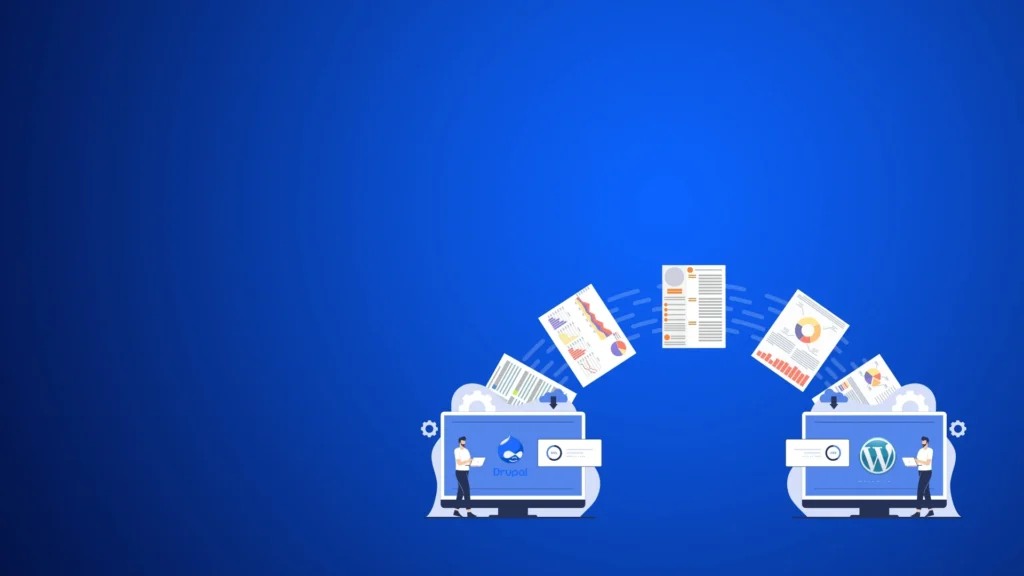
Client Challenges Drupal’s outdated features allowed for no content customization.Low site speeds due to high traffic and scalability were challenging, increasing the financial burden on paying for developers.Frequent security patches slowed down the CMS, making handling large amounts of content and media files. Technologies Our Solution Thoroughly assessed Drupal data structure, including considerations for headless CMS implementation, and mapped content to WordPress VIP.Utilized custom scripts for accurate content transfer, ensuring formatting and metadata integrity, including customer data, media files, and blog posts.Developed a custom theme leveraging WordPress VIP’s advanced capabilities, integrated required plugins such as analytics and SEO Etc.Implemented robust redirection rules to ensure the transition from Drupal URLs to WordPress URLs, managing multiple sites under the same domain within a CMS, and preserving site functionality and SEO rankings while avoiding user disruptions.Implemented enterprise-grade security protocols to safeguard multiple sites and utilized built-in caching and CDN features for a fast user experience Benefits Our Drupal to WordPress VIP migration helped the client to achieve the following benefits..Achieved a 30% increase in content editing and customization capabilities, enabling more targeted marketing, site management and user interaction strategies.Reduced server response time by 50%, accommodating a 2x increase in concurrent users during peak periods without performance degradation.40% improvement in page load times, resulting in a 25% decrease in bounce rates and enhanced SEO performance.