
The Rise of AI-Powered Virtual Health Assistants
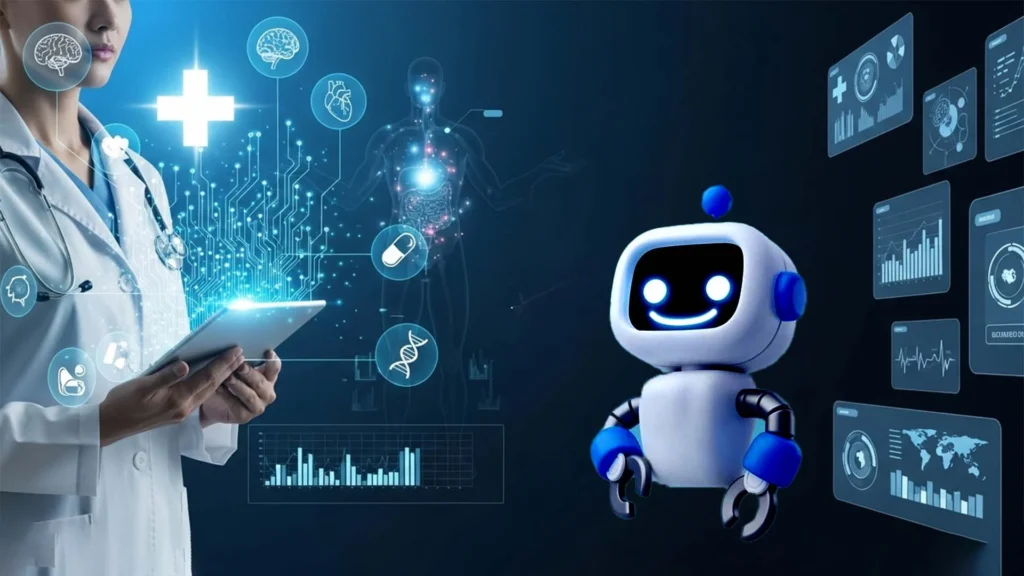
The landscape of healthcare delivery has undergone a remarkable transformation with the rise of AI virtual assistants. In an industry where time and cost are critical, the impact of AI on both patients and hospitals is truly unmatched. Traditional healthcare, which depends heavily on human expertise, often grapples with issues like limited data analysis, the potential for human error, and slow administrative processes. These challenges can result in higher costs and delays in diagnoses. Virtual health assistants are transforming healthcare by enabling patients with instant access to medical advice, appointment scheduling, and medication reminders, enhancing convenience. By automating routine tasks, these assistants help reduce the work of healthcare providers, allowing doctors and nurses to concentrate on more complex aspects of patient care. These Virtual Health Assistants skilfully blend natural language processing with personalized data analysis to offer real-time, customized medical guidance, effectively connecting patients with their healthcare providers. What are AI-Powered Virtual Health Assistants? VHAs are AI-powered digital assistants designed to support patients, healthcare providers, and administrative staff by automating tasks like appointment scheduling, symptom assessment, medication reminders, etc. Modern VHAs have far more versatile capabilities, functioning as assistants for both patients and health providers. They are digital tools that simulate human-like interaction by leveraging technologies, mainly NLP and Machine Learning, for assistance in key medical applications. Unlike traditional static information systems, VHAs offer interactive, context-aware, and personalized responses, making healthcare more accessible and convenient for patients. The widespread use of these technologies is particularly beneficial for easing the burden on healthcare workers, enhancing access to services in remote locations, and enhancing preventive care efforts. One of their defining traits is their continual evolution, driven by their vast potential. Early platforms initially offered pre-programmed responses, lacking both understanding and adaptability. Through technological improvements, modern VHAs are powered by advanced AI, including deep learning models, which enable them to process and interpret natural language, learn from interactions, and provide more sophisticated and personalized responses Key Benefits of AI Virtual Health Assistants From streamlining hospital administration to direct health monitoring, VHAs represent a transformative innovation in healthcare by combining automation, personalization, and accessibility. AI Virtual Health Assistants Use Cases Patient Care – HealthCare Providers – The Future Healthcare management and remote monitoring are advancing towards more intuitive methodologies. AI in virtual assistance is no longer being used for simple background checks or data collection, but is evolving into a partner in personalized, dynamic healthcare. Forecasting tremendous growth over the next decade, the VHA sector is highly promising. In the future, it is estimated that VHAs using advanced language models will understand patient questions and provide multilingual support. These systems will specialize in predictive analytics, detecting health problems before they escalate into emergencies. Rather than responding to issues after they occur, future assistants will examine patient data trends to enable early intervention and reduce hospital readmissions. Conclusion VHAs have emerged as a next-generation solution bridging the gap between patients and providers, especially in preventive care. They hold significant potential in closing healthcare gaps in rural areas and ensuring equity across communities. At Sparity, we truly believe that the future of healthcare is all about smart, AI-driven solutions that connect patients with providers in a meaningful way. With our deep knowledge in AI, cloud technology, and data engineering, we assist healthcare organizations in seamlessly integrating Virtual Health Assistants into their systems making care more accessible, scalable, and secure for everyone. Whether it’s creating NLP-powered assistants, rolling out predictive analytics models, or ensuring smooth data interoperability, Sparity is here to support hospitals, and health-tech innovators in rethinking how care is delivered. Our solutions not only streamline processes but also provide valuable insights that help in making informed decisions.
An User Friendly Healthcare Payer Price Transparency Tool
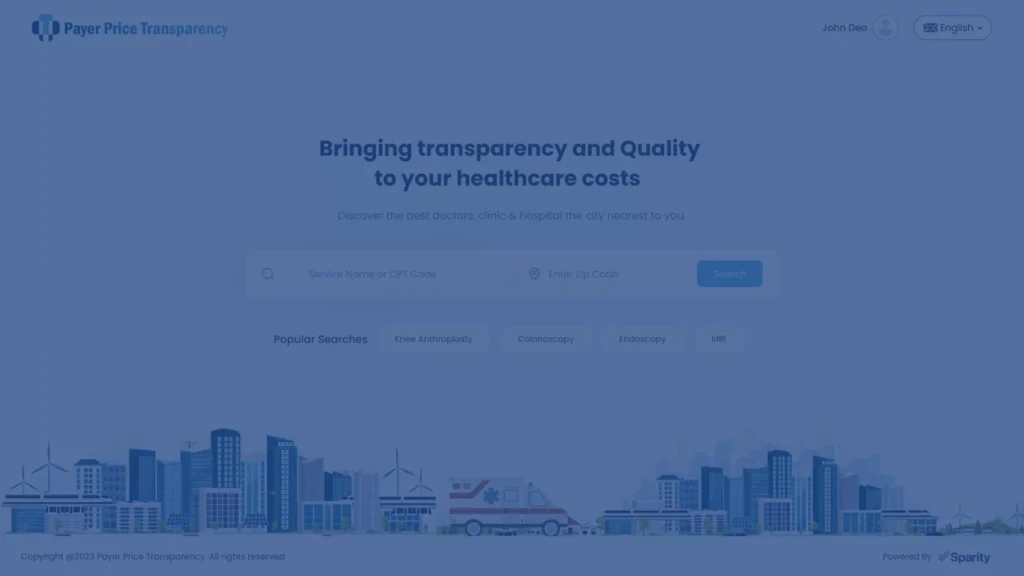
Sparity designed a User Friendly Healthcare Payer price transparency tool for more informed decision making increased trust between payer and member
Power BI Data Analysis for Healthcare Provider

Sparity’s solutions of Power BI data analysis for healthcare provider, enhanced insights for informed data-driven decision-making with real-time insights.
Revolutionizing Healthcare Revenue Cycle Management with Power BI and AWS Redshift

Discover how Power BI and AWS Redshift are revolutionizing healthcare revenue cycle management. Learn how data analytics transforms financial processes for better efficiency and patient care.
Harnessing the Power of Data Visualization with Power BI in Biotech

Discover how Data visualization with Power BI revolutionizes decision-making in the biotech industry. Unlock the full potential of your biotech data today with Power BI’s Data visualization
Data Analytics in Biotechnology: Unleashing the Power of Insights

Explore the transformative role of data analytics in the biotechnology industry and how the integration of advanced analytical tools and techniques drives innovation and improves healthcare outcomes.
Why Robotic Process Automation is the Future of Healthcare
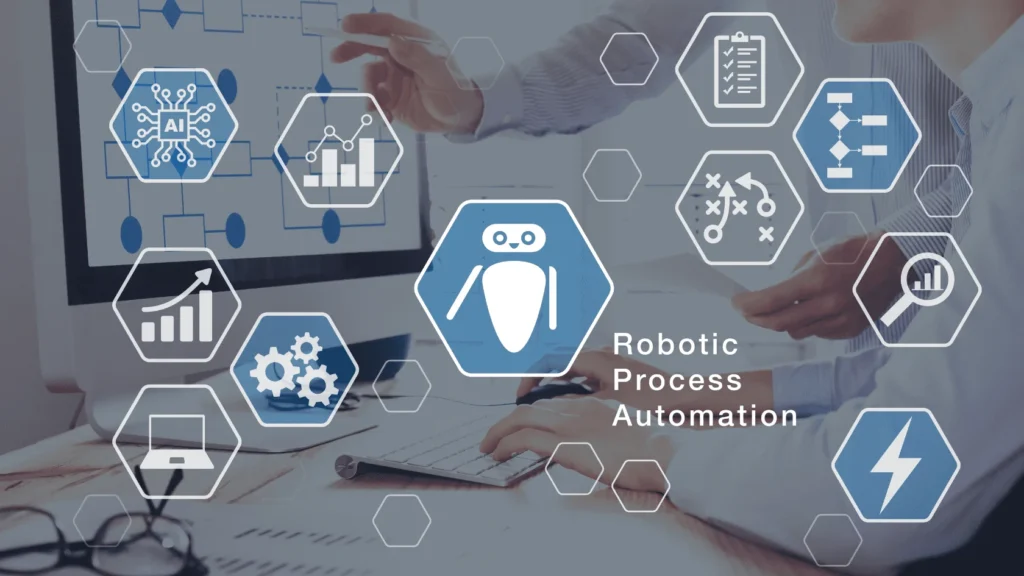
Learn how Robotic Process Automation (RPA) is revolutionizing the healthcare industry and how it can benefit your organization and and provide cost-effective solutions
How Technology Is Changing the face of Healthcare

Healthcare Technology advancements and adoption is shaping the future of healthcare as it prevents complications, develop new therapeutic approaches, treatment options, & drugs
How AI is transforming the future of healthcare

AI has revolutionized healthcare industry and checkout how AI will assist and impact patients, clinicians, administrative and operational areas of healthcare industry
Log4J Vulnerability Fatal Security loophole Most Internet Servers are at Risk

A critical security flaw discovered in the Log4j Java logging framework has become a full-blown security meltdown and left large portions of the internet vulnerable to hackers.