
Upgrading Retail Efficiency with Advanced Real-Time Inventory Management

Key Challenges: Technologies Used Sparity Solutions: Sparity identified the lack of real-time inventory visibility as the root cause and addressed it by digitizing the client’s inventory management system. . Benefits: Conclusion By upgrading the retailer’s real-time inventory management system with real-time data collection, intelligent processing, and ERP and POS integration, Sparity enabled the retailer to achieve greater operational efficiency, improved inventory accuracy, and enhanced customer satisfaction. This advanced solution provided the retailer with the agility and insights needed to meet customer demand and maintain a competitive edge in the retail market.
Strengthening a Retail Business and Increasing Customer Engagement

Key Challenges: Technologies Used Sparity Solutions: Benefits: Conclusion By implementing a Unified Commerce Platform, Sparity enabled the client to deliver a consistent,omnichannel shopping experience, reduce operational costs, and improve customer satisfaction andrevenue. This case illustrates how a strategic digital transformation can drive value in modern retailthrough operational efficiency and enhanced engagement.
Streamlining Retail Tax Data with Power BI
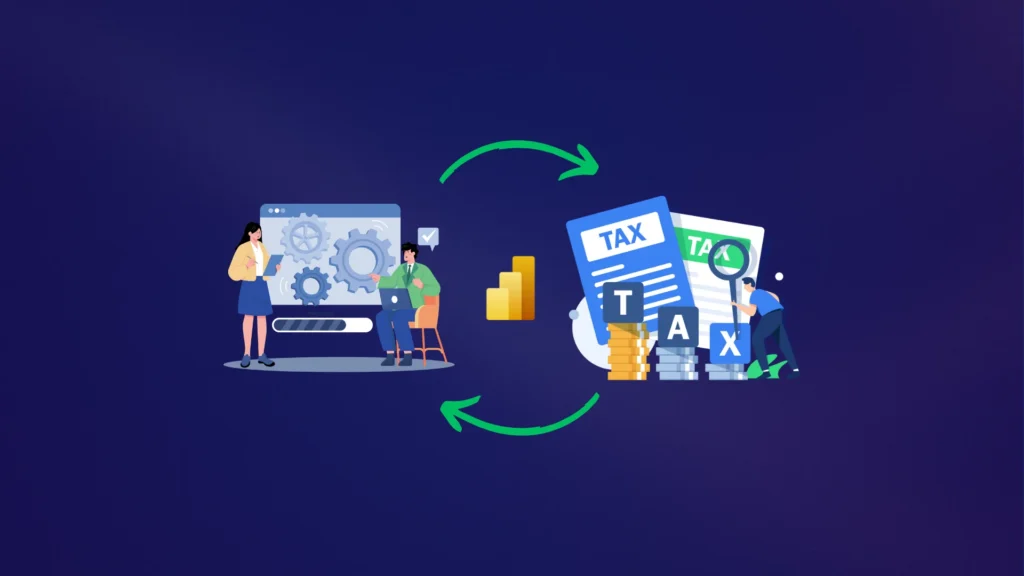
Client Challenges: Tax Rate Diversity: Managing tax rates for 5,000+ products with varying tax rates across 15 regions. Data Complexity: Data stored in 12 different formats, including CSVs, Excel files, and ERP system exports. Accuracy Issues: Ensuring accurate tax reporting amidst frequent tax rate changes. Manual Calculations: Time-consuming manual tax calculations leading to delays and errors. Data Consolidation: Difficulty in consolidating tax data from different sources into a coherent format. Compliance: Regular updates required to comply with changing regional tax laws. Scalability: Need to manage an expected 25% increase in product lines and tax rates over 2 years. Sparity Solutions: Data Transformation: Utilized Power Query to standardize and transform tax data from 12 formats into a unified format. Custom DAX Calculations: Developed custom DAX formulas to handle complex tax rate calculations based on region-specific rules. Automated Tax Reports: Created automated tax reporting templates in Power BI, reducing manual calculation errors and saving 15 hours of work per week. Integrated Data Sources: Integrated sales and tax data from ERP, CSV, and Excel sources into a single Power BI model. Dynamic Dashboards: Built dynamic dashboards to track tax liabilities by region and product, updating in real time. Compliance Tracking: Implemented compliance tracking features using Power BI’s data alerts to monitor changes in tax regulations. Scalable Infrastructure: Configured Power BI to handle a 25% increase in product lines and tax data by leveraging Azure cloud scalability. Benefits: Accuracy Improvement: Increased tax reporting accuracy by 35% due to standardized calculations. Time Savings: Reduced manual calculation time by 75%, saving 15 hours per week. Data Integration: Streamlined data consolidation process, reducing data handling errors. Regulatory Compliance: Improved compliance tracking and reporting with real-time updates. Scalability: Supported a 25% increase in product lines and tax rates with no performance issues.
Power BI Boosts Telecom Network Monitoring Efficiency

Client Challenges: High Data Volume: Processing over 50 million network performance data points daily. Integration Issues: Data scattered across 10 different systems, including SNMP, Syslog, and proprietary databases. Real-Time Analysis: Required dashboards to update every 5 minutes to reflect current network status. Predictive Maintenance: No existing predictive analytics to anticipate network failures. Slow Reporting: Manual reports took up to 24 hours to compile. User Access: Over 200 field engineers and managers needed access to actionable insights. Scalability: Need to support an anticipated 30% data volume increase over the next 2 years. Sparity Solutions: Data Integration: Employed Power BI Dataflows to consolidate data from SNMP, Syslog, and other sources into a single dataset. Real-Time Dashboards: Built real-time dashboards using DirectQuery to ensure updates every 5 minutes. Predictive Models: Integrated Power BI with Azure Machine Learning to develop predictive models for network failure, analyzing historical data patterns. Automated Reporting: Created automated reports using Power BI’s subscription feature, reducing report generation time from 24 hours to 2 hours. Custom Visualizations: Designed custom visualizations using Power BI’s advanced charting features to simplify complex data. Alerts and Notifications: Set up Power BI Alerts to notify engineers when performance metrics exceed predefined thresholds. Scalability Planning: Configured the Power BI environment to handle a 30% increase in data volume through scalable Azure resources. Benefits: Efficiency Improvement: Reduced network issue detection time by 50% due to real-time dashboards. Predictive Accuracy: Increased predictive accuracy for network failures by 40%, preventing potential outages. Reporting Speed: Reduced manual report generation time by 92%, from 24 hours to 2 hours. User Satisfaction: Enhanced access to insights for 200+ users, improving decision-making efficiency.Scalability: Supported a 30% data volume increase with no performance degradation.
Modernizing a Legacy Interactive Patient Care System with .NET Core Migration
Client Overview A leading healthcare provider sought to migrate their Interactive Patient Care System to .NET core, originally built on the aging .NET Framework 4.5.2. The primary goals were to improve performance, enhance security, and ensure long-term scalability by migrating to .NET Core 8. The migration project focused on upgrading both the API and Admin Application components while maintaining the continuity of current business operations. Sparity was a trusted partner to execute this critical transformation. Client Challenges Legacy System Limitations: The existing system, built over 10 to 15 years ago, had become increasingly difficult to maintain and posed significant compatibility issues with modern technologies. Third-Party Dependencies: The system relied on several outdated third-party dependencies, which required replacement with updated versions or alternative solutions to ensure compatibility with the latest LTS .NET Core version. System Integrity and Functionality: The migration needed to be executed without disrupting ongoing operations, maintaining all existing functionalities, and preserving the integrity of the data and user interactions. Complexity of the Upgrade: Migrating critical components, including the MVC application and API, required a careful approach to avoid breaking changes and ensure seamless integration. The entire upgrade was completed within a 6-month timeframe. Solution Sparity implemented a comprehensive Side-by-Side Project Upgrade strategy, ensuring minimal disruption to the healthcare provider’s operations. The key steps included: Conducted an in-depth analysis of the existing system to identify critical components, potential risks, and dependencies. Developed a migration roadmap that included a phased approach to mitigate risks and ensure smooth execution. Converted C# libraries and other critical components from .NET Framework to .NET Core. Addressed compatibility issues by identifying and upgrading or replacing obsolete third-party dependencies with .NET Core-compatible versions. This included job schedulers like Quartz, caching mechanisms such as Redis, and other critical components like authentication and authorization, logging, data synchronization mechanisms, and internationalization/globalization tools. Upgraded the UpServer MVC application to .NET Core, addressing challenges related to Identity management, routing configurations, and caching. Migrated the UpServer API, resolving issues related to authentication, authorization, and logging. Ensured that all API endpoints were functional and fully compatible with the new .NET Core environment. Conducted extensive Dev Testing to identify and resolve migration issues, including those related to Owin security packages, Entity Framework context, i18n pipeline configuration, and front-end dependencies such as jQuery, Font Awesome, and Bootstrap. Deployed the upgraded system to a QA environment, where it underwent thorough testing to ensure that all functionalities were intact and performance was optimized. Deployed the fully upgraded system to the production environment with minimal downtime.Provided ongoing support to address any post-migration issues, ensuring a smooth transition for the client’s operations. Benefits The successful migration to .NET Core delivered several key benefits to the healthcare provider: Enhanced System Performance: The migration resulted in a 25% increase in system performance, providing faster response times and improved user experience. Improved Security: By leveraging .NET Core’s built-in security features, the system is now 50% better protected against modern security threats, ensuring compliance with industry standards. Long-term Scalability: The upgraded system is now equipped to handle future enhancements and scalability requirements, reducing 35% of technical debt and ensuring that the system remains robust and adaptable. Operational Continuity: The project was completed without any significant disruption to the client’s ongoing operations, maintaining all existing functionalities while upgrading to a more modern platform.
Automating Customer Relationship Management(CRM) for a Logistics Client

Client Challenges The client faced several challenges in their existing CRM processes: Manual ProcessesThe company’s CRM relied heavily on manual input, which was time-consuming and prone to errors. This resulted in delays in responding to customer inquiries and inconsistent service quality. Resource ConstraintsThe logistics company struggled with limited human resources, making it difficult to manage high volumes of customer queries, leading to a backlog and frustrated customers. Inconsistent Data ManagementDue to the manual nature of their CRM processes, data collection was inefficient, making it difficult to gather valuable insights and make informed business decisions. Delayed Response TimesCustomers often faced long wait times for responses, as the existing system lacked automation, resulting in a poor customer experience. Solution AI Chatbots for Customer InteractionSparity integrated AI-driven chatbots into the client’s CRM system. These chatbots were programmed to handle a wide range of customer queries, providing instant responses. The chatbots utilized Natural Language Processing (NLP) to understand customer inquiries and provide accurate answers, significantly reducing response times. Automatic Query ResolutionThe solution included an AI system that automatically searched through the company’s internal databases and systems to find the most relevant information for each customer query. This allowed the AI to generate responses autonomously, ensuring that customers received prompt and accurate information without human intervention. AI-Powered Customer Support TrainingTo further enhance the capabilities of the client’s customer service team, Sparity implemented an AI-powered training program. This program used machine learning algorithms to analyze past customer interactions and generate training modules tailored to common customer issues. This helped in upskilling the service representatives and enabled them to handle calls more effectively. Advanced Analytics IntegrationSparity integrated advanced data analytics tools to provide real-time insights into customer interactions. This allowed the client to monitor customer service performance continuously, identify trends, and make informed adjustments to their strategies. Workflow Automation and Task ManagementThe solution also included workflow automation tools that streamlined task management for customer service representatives. These tools automatically assigned tasks based on priority, ensuring that no customer query was overlooked and that all tasks were handled efficiently. Comprehensive Data Management SolutionsSparity implemented a robust data management system that automatically logged and organized all customer interactions. This system enabled easy access to customer data, facilitating quick retrieval of information for future interactions and improving overall data-driven decision-making. Benefits The implementation of Sparity’s solution delivered several key benefits to the client: Increased EfficiencyAchieved a 40% reduction in response times, enabling the client to handle 30% more customer queries with the same resources. Cost SavingsReduced operational costs by 35% due to decreased manual processes and increased efficiency from AI-driven solutions. ScalabilityEnabled a 60% increase in customer service capacity without proportional workforce expansion. Enhanced Data InsightsGained 50% more actionable insights into customer behavior and preferences, leading to better decision-making.
Optimizing Supply Chain Management with Azure and Power Apps

Client Challenges Solution To address these challenges, Sparity implemented a comprehensive solution with a strong focus on Power Apps: Technologies Benefits to the Client
Transforming Taxation Analysis for an Australian Retail Giant with Power BI

Client Challenges Retail and Wholesale Tax: Managing different tax rates, a variety of taxes, and regulations for retail and wholesale products.Employee Taxation: Handling payroll taxes for a large number of employees across various locations.Approved Tax Insights and Pending Litigation: The finance department struggled with gaining clear insights into approved taxes and pending litigation, leading to delays and financial issues.Lack of Real-Time Data Integration: The client’s existing systems could not integrate real-time data, making it difficult to maintain accurate and up-to-date tax records.Inefficient Tax Analysis and Reporting: The lack of a unified view of tax data caused inefficiencies in tax analysis and reporting processes, resulting in delays and potential compliance issues. Technologies Our Solution Data Cleaning Procedures: Implemented advanced raw data cleaning techniques to ensure that all tax data was accurate standardized and normalized before integration.Real-Time Data Integration: Utilized Power BI‘s capabilities to connect to various data sources, enabling real-time data integration and ensuring that tax information was always up-to-date.Data Transformation: Employed Power Query to transform raw data into structured formats suitable for analysis.Retail and Wholesale Tax Dashboards: Created detailed dashboards using Power BI to monitor tax obligations, payments, and compliance for various diverse products.Employee Taxation Dashboards: Developed dashboards that provided real-time insights into payroll taxes, ensuring compliance and timely payments.Tax Reports and Insights: Generated automated tax reports and insights, allowing the finance team to quickly access and analyze tax data.Approved Tax Insights: Provided clear and detailed insights into approved taxes, helping the finance team make informed decisions.Litigation Tracking: Implemented solutions within Power BI to track pending litigation cases, offering a comprehensive view of potential financial impacts and helping to mitigate risks. Benefits Improved Compliance and Accuracy: Reduced tax-related errors by 35% and penalties by 30%, while increasing reporting accuracy.Enhanced Efficiency: Halved the time required for tax analysis and reporting, boosting productivity by 30% and cutting data processing time from 5 hours to just 1 hour per week.Better Decision-Making: Accelerated financial decision-making speed by 25% and improved accuracy in financial forecasting by 30%.Effective Risk Mitigation: Decreased potential financial impact from pending litigation by 15% and enhanced risk management, reducing overall risk by 20%.Streamlined Processes: Automated data refresh and report generation reduced manual efforts, enabling the finance team to complete strategic projects 25% faster.
Transforming Healthcare’s Digital Presence with Webflow
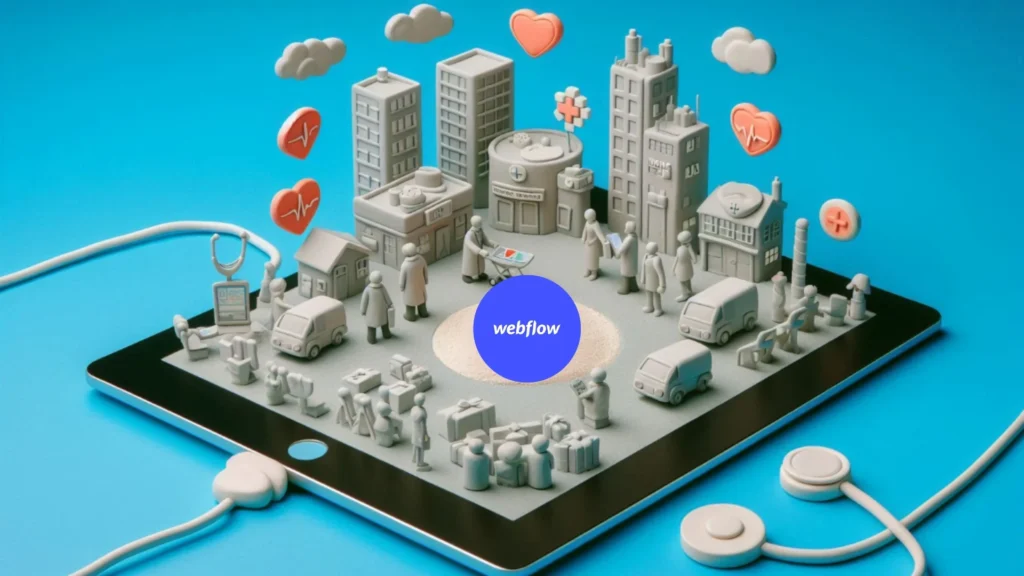
Client Challenges Outdated Design: The old website had an outdated look and feel, which did not reflect the modern, innovative nature of the healthcare provider. Poor User Experience: Navigation was cumbersome, and patients found it difficult to find information and access services. Lack of Mobile Responsiveness: The website was not optimized for mobile devices, leading to a subpar experience for users on smartphones and tablets. Limited Content Management: Updating content was a complex process that required technical expertise, making it difficult for the healthcare provider to keep the website current. Technologies Our Solution Sparity addressed these challenges by leveraging Webflow’s capabilities to deliver a dynamic and responsive website. Modern Design: We crafted a sleek design that aligns with the healthcare provider’s brand and mission. The design emphasized easy accessibility, ensuring patients of all ages could use it seamlessly. Enhanced User Experience: The new website features an intuitive layout with clear navigation, making it simple for users to find information, book appointments, and access resources. Mobile Optimization: Using Webflow, we ensured the website is fully responsive, providing an optimal experience on all devices, including desktops, tablets, and smartphones. Streamlined Content Management: Webflow’s user-friendly CMS allows the healthcare provider to easily update content without needing technical skills, ensuring the website remains up-to-date with the latest information and services. Custom Code Integration: Sparity integrated custom Java and HTML code within Webflow to enhance functionality and provide tailored features that meet the specific needs of the healthcare provider. Seamless Transition: We ensured that the transition to the new Webflow website did not disrupt existing URLs, domain, or the overall website structure, maintaining continuity for users and search engines. API Integration: We connected APIs to automate workflows, such as capturing patient data and synchronizing it with backend systems, improving efficiency and reducing manual tasks. Benefits Increased Patient Engagement: The improved design and functionality increased patient engagement and satisfaction. Higher Conversion Rates: Simplified appointment booking and information access resulted in increased conversions and more appointments scheduled online. Reduced Maintenance Costs: The user-friendly CMS reduced the need for ongoing technical support, lowering maintenance costs.
Streamlining Corporate MNC Website with a Drupal to WordPress VIP Migration
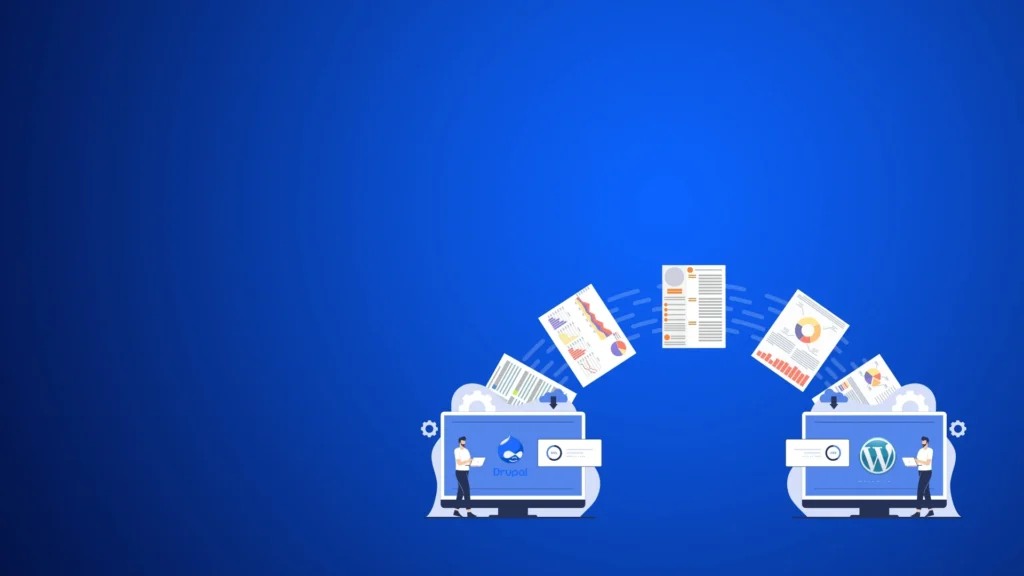
Client Challenges Drupal’s outdated features allowed for no content customization.Low site speeds due to high traffic and scalability were challenging, increasing the financial burden on paying for developers.Frequent security patches slowed down the CMS, making handling large amounts of content and media files. Technologies Our Solution Thoroughly assessed Drupal data structure, including considerations for headless CMS implementation, and mapped content to WordPress VIP.Utilized custom scripts for accurate content transfer, ensuring formatting and metadata integrity, including customer data, media files, and blog posts.Developed a custom theme leveraging WordPress VIP’s advanced capabilities, integrated required plugins such as analytics and SEO Etc.Implemented robust redirection rules to ensure the transition from Drupal URLs to WordPress URLs, managing multiple sites under the same domain within a CMS, and preserving site functionality and SEO rankings while avoiding user disruptions.Implemented enterprise-grade security protocols to safeguard multiple sites and utilized built-in caching and CDN features for a fast user experience Benefits Our Drupal to WordPress VIP migration helped the client to achieve the following benefits..Achieved a 30% increase in content editing and customization capabilities, enabling more targeted marketing, site management and user interaction strategies.Reduced server response time by 50%, accommodating a 2x increase in concurrent users during peak periods without performance degradation.40% improvement in page load times, resulting in a 25% decrease in bounce rates and enhanced SEO performance.