
The Hidden Cost of Legacy BI Systems in Banking

The financial services sector is at a pivotal point, with aging core banking systems posing not only a costly drain but also a major strategic risk. As banks move toward real-time digital transactions, legacy systems are becoming liabilities rather than assets along with it leads to heightened maintenance costs and important creativity. While legacy core banking platforms remain a hurdle, this blog focuses specifically on Business Intelligence (BI) systems—outdated data and analytics tools that limit timely decision-making, scalability, and customer responsiveness. In definition, legacy banking systems are outdated financial software which uses outmoded architecture & programming languages. Typically based on a monolithic architecture, Legacy banking systems have been utilized the banking sector since the time development of modern technologies. The significant drain by legacy systems on banking budgets and stifled innovation are two pillars for the need for architectural transformation. In the banking world, TCO should not be limitedly defined by legacy licensing costs alone, but by broader concepts such as maintence costs, operational drains, development and compliance, and opportunity costs. With the advent of AI and modern tools, the need to match upscaled technology architecture with real time customer expectations is only amplifying in the digital banking world. The True Cost of Legacy BI Systems in Banking The burden of retaining legacy BI is multi-faceted, with the need of modernization outpacing the very durable shelf lives of outdated BI platforms. Direct Financial Costs: Retaining legacy BI in banking imposes heavy costs across financial, operational, and strategic dimensions. Banks face high maintenance and licensing fees, rising infrastructure demands, and the need for specialized IT staff, while inefficiencies like slow reporting cycles and poor scalability limit agility. Legacy systems also heighten compliance risks, create data silos, and expose institutions to security vulnerabilities. Operational Inefficiencies: Legacy BI systems in banking create significant operational inefficiencies, with manual reporting processes causing delays in decision-making, limited scalability restricting the ability to handle growing data volumes, and low user adoption forcing business teams to depend heavily on IT, thereby reducing agility and hindering self-service analytics. Opportunity Costs: The opportunity costs of retaining legacy BI in banking are substantial, as outdated systems limit the ability to harness advanced technologies like AI, machine learning, and real-time analytics. The Urgent Need for BI Modernisation The systemic shift for BI Modernization stems from the increasing complexity of financial data, regulatory pressures, and the demand for faster, data-driven decision-making in the Banking industry. It is critical for banks to remain competitive, agile, and customer-centric in a rapidly evolving financial landscape. Traditional BI often struggles with slow reporting, siloed data, limited scalability, and heavy dependence on IT teams, making real-time decision-making difficult Banks no longer need to wait until day’s end to track market shifts or analyze trends in customer transactions along with daily balances. Modern banking requires the ability to analyse vast volumes of structured and unstructured data, detect fraud instantly, manage risk proactively, personalize customer experiences, and comply efficiently with evolving regulations. Modern Solutions for Outdated Systems Legacy BI methodologies incorporate limited features, slow processing, and lack of modern analytics capabilities. Legacy systems such as IBM Cognos (older versions require heavy IT involvement), SAP BusinessObjects- classic edition (limited self-service analytics), Oracle BI – OBIEE legacy versions (Slow adaption to real time needs), QlikView – first-generation (less flexibility in self service analytics and slow performance). A few trends in the today’s BI for Banking are enlisted: Modern BI platforms are considered suitable alternatives to outdated legacy BI systems in banking because they address the key limitations of traditional tools while enabling new capabilities essential for today’s financial landscape: The Way Forward Banking as a whole, is an industry which mandates immediate data usage, to deliver timely services, signifying the deep import of presentative analytics in a data-fluid industry. The banking industry stands at a critical crossroads where reliance on legacy BI and core systems is increasingly unsustainable. Traditional platforms, while reliable in their time, are slow, siloed, and heavily dependent on IT teams, resulting in delayed reporting, limited scalability, and reduced agility. As banks face rapidly evolving customer expectations, regulatory requirements, and competitive pressures from fintech and digital-first players, these outdated systems hinder timely decision-making, risk management, and innovation. The way forward lies in modernizing BI and core banking platforms. Modern BI solutions provide real-time analytics, AI-driven insights, and predictive modelling, enabling banks to respond instantly to market shifts, detect fraud, and personalize customer experiences. Cloud-native deployment ensures scalability and cost efficiency, while self-service analytics empowers business teams to generate actionable insights without overburdening IT. Additionally, modern platforms integrate data from multiple sources, ensuring consistency, governance, and compliance with evolving regulations. Transitioning from legacy to modern systems requires a phased approach: identifying high-priority processes, selecting suitable modern BI platforms, integrating them with existing infrastructure, and retraining staff for self-service analytics. While the upfront investment may be significant, the long-term benefits – reduced operational costs, enhanced customer experience, improved risk management, and competitive agility – far outweigh the costs of maintaining outdated systems. Conclusion In conclusion, BI modernization is no longer optional for banks. It is a strategic imperative that ensures operational efficiency, regulatory compliance, and the ability to compete in an increasingly digital, data-driven financial ecosystem. Sparity assisted a leading risk management firm in transforming its outdated, on-premises data infrastructure into a modern, cloud-native platform utilizing Azure and Databricks, implementing the Medallion Architecture. This modernization resulted in a 50–70% reduction in data processing time, a 40% improvement in compliance, and a 30% decrease in total cost of ownership. With cloud native solutions being a common modernized trend in today’s Banking sector, Banks may also benefit from our organization’s cloud migration services. Sparity help a leading bank migration from lagging legacy operations to the cloud. It’s BIPort Migration tool, can effectively and easily convert files in older architecture to Power BI. Enlisted as the world’s first AI-power migration tool converting legacy systems to the Power BI platform, Sparity’s unique innovation can be an integrative solution tech migration in the Banking industry.
Transforming Nutrition Management with Agentic AI for a Healthtech Startup
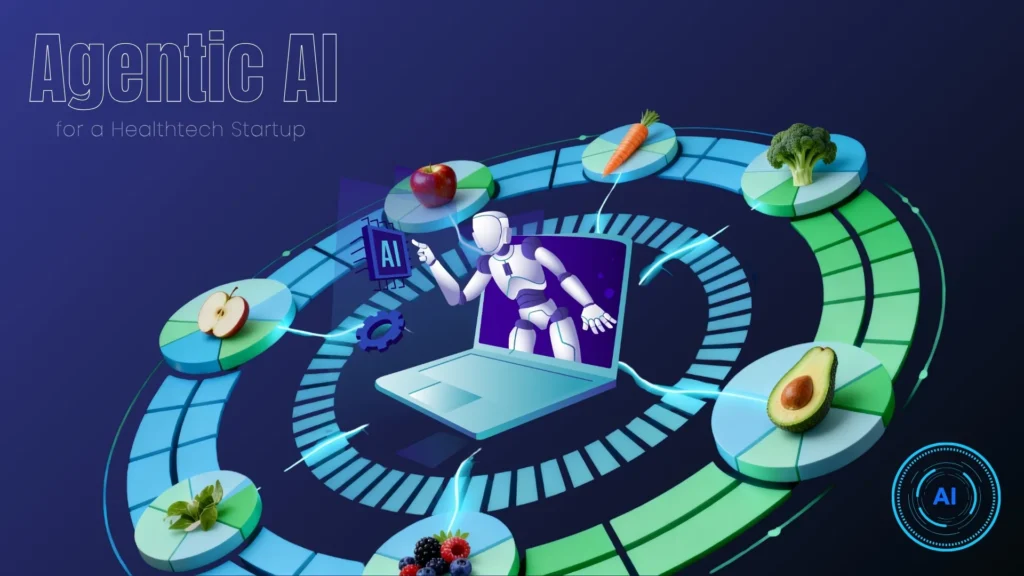
Client Overview- Our client, a fast-growing healthcare technology startup, wanted to transform meal plans and nutrition management through a platform that combines human expertise with AI. Their vision was to empower dietitians with scalable, intelligent tools while delivering highly personalized meal plans and health insights to clients across languages and regions. Project Objectives Technology Stack: Solution We adopted a modular, agentic AI-driven architecture that blends orchestration, automation, and compliance. The platform was developed in an agile, iterative approach, with a focus on transparency and scalability. Impact & Benefits Key Highlight: By combining AI intelligence with human expertise, the system enables precision, scalability, and measurable health outcomes-delivering the future of nutrition management today.
Key Updates from Microsoft Fabric’s Fabcon Vienna 2025

What It Means for Enterprise AI Readiness Introduction The Artificial Intelligence (AI) era has progressed beyond experimentation and is now in the “exploring opportunities” stage. Enterprises are no longer hesitant to invest in AI. With rising demand and the tremendous speed at which companies are adopting to new frontiers, the big question is- How fast can service-based companies scale? The answer lies in the foundation. At Fabcon Vienna 2025, Microsoft Fabric announced a major leap forward in its delivery of AI data readiness. The Fabric Evolution Microsoft unveiled several major capabilities designed to move enterprises from data unification to contextual, actionable intelligence: In addition to this, Microsoft Fabric has released horizontal tabs for open items. This supports multiple active workspaces, and the new object explorer makes Fabric faster, smoother, and more intuitive. Why It Matters for Enterprises The ultimate need of companies across the world is to have centralized data. Today, through Microsoft Fabric, the possibilities of connecting data across a wide spectrum and utilizing it continue to expand. With Graph, Maps, and OneLake enhancements, businesses can: This shift has certainly transformed AI from being a back-office experiment to a frontline enabler of faster, smarter, and customer-centric decision-making. Sparity’s Edge At Sparity, we strongly support Microsoft Fabric’s vision announced at FabCon Europe, which is about moving beyond data unification to deliver AI-ready and context-rich platforms for organizations. We believe that the future of AI is beyond centralizing data and it is about empowering AI to act with intelligence and purpose. Sparity, as a proud Microsoft Fabric Partner, with 100% Certified developers is helping organizations adapt to and maximize Microsoft Fabric’s evolving capabilities. With our BI Port 3.0 migration accelerator, we are providing a fast, secure, and future-ready pathway from Legacy BI platforms to Microsoft Fabric. By combining Microsoft Fabric’s powerful capabilities with our migration accelerators and data modernization expertise, we ensure our clients are positioned to lead in the AI era. At Sparity, we plan to combine these innovations with our expertise to deliver transformation across four key areas: Conclusion Thus, it can be concluded that the next era of AI belongs to the organizations that build platforms and not just solutions. Microsoft Fabric’s latest evolution from Graph and Maps to OneLake and Azure AI foundry integration enables enterprises to move beyond fragmented data strategies to a future that relates to intelligent and AI-ready operations. The foundation for AI readiness is here. The question is – are you ready to lead? Connect with Sparity today to unlock the full potential of Microsoft Fabric for your enterprise.
The Rise of AI-Powered Virtual Health Assistants
The landscape of healthcare delivery has undergone a remarkable transformation with the rise of AI virtual assistants. In an industry where time and cost are critical, the impact of AI on both patients and hospitals is truly unmatched. Traditional healthcare, which depends heavily on human expertise, often grapples with issues like limited data analysis, the potential for human error, and slow administrative processes. These challenges can result in higher costs and delays in diagnoses. Virtual health assistants are transforming healthcare by enabling patients with instant access to medical advice, appointment scheduling, and medication reminders, enhancing convenience. By automating routine tasks, these assistants help reduce the work of healthcare providers, allowing doctors and nurses to concentrate on more complex aspects of patient care. These Virtual Health Assistants skilfully blend natural language processing with personalized data analysis to offer real-time, customized medical guidance, effectively connecting patients with their healthcare providers. What are AI-Powered Virtual Health Assistants? VHAs are AI-powered digital assistants designed to support patients, healthcare providers, and administrative staff by automating tasks like appointment scheduling, symptom assessment, medication reminders, etc. Modern VHAs have far more versatile capabilities, functioning as assistants for both patients and health providers. They are digital tools that simulate human-like interaction by leveraging technologies, mainly NLP and Machine Learning, for assistance in key medical applications. Unlike traditional static information systems, VHAs offer interactive, context-aware, and personalized responses, making healthcare more accessible and convenient for patients. The widespread use of these technologies is particularly beneficial for easing the burden on healthcare workers, enhancing access to services in remote locations, and enhancing preventive care efforts. One of their defining traits is their continual evolution, driven by their vast potential. Early platforms initially offered pre-programmed responses, lacking both understanding and adaptability. Through technological improvements, modern VHAs are powered by advanced AI, including deep learning models, which enable them to process and interpret natural language, learn from interactions, and provide more sophisticated and personalized responses Key Benefits of AI Virtual Health Assistants From streamlining hospital administration to direct health monitoring, VHAs represent a transformative innovation in healthcare by combining automation, personalization, and accessibility. AI Virtual Health Assistants Use Cases Patient Care – HealthCare Providers – The Future Healthcare management and remote monitoring are advancing towards more intuitive methodologies. AI in virtual assistance is no longer being used for simple background checks or data collection, but is evolving into a partner in personalized, dynamic healthcare. Forecasting tremendous growth over the next decade, the VHA sector is highly promising. In the future, it is estimated that VHAs using advanced language models will understand patient questions and provide multilingual support. These systems will specialize in predictive analytics, detecting health problems before they escalate into emergencies. Rather than responding to issues after they occur, future assistants will examine patient data trends to enable early intervention and reduce hospital readmissions. Conclusion VHAs have emerged as a next-generation solution bridging the gap between patients and providers, especially in preventive care. They hold significant potential in closing healthcare gaps in rural areas and ensuring equity across communities. At Sparity, we truly believe that the future of healthcare is all about smart, AI-driven solutions that connect patients with providers in a meaningful way. With our deep knowledge in AI, cloud technology, and data engineering, we assist healthcare organizations in seamlessly integrating Virtual Health Assistants into their systems making care more accessible, scalable, and secure for everyone. Whether it’s creating NLP-powered assistants, rolling out predictive analytics models, or ensuring smooth data interoperability, Sparity is here to support hospitals, and health-tech innovators in rethinking how care is delivered. Our solutions not only streamline processes but also provide valuable insights that help in making informed decisions.
Sparity Announces Availability of BIPort 3.0 on Microsoft Azure Marketplace
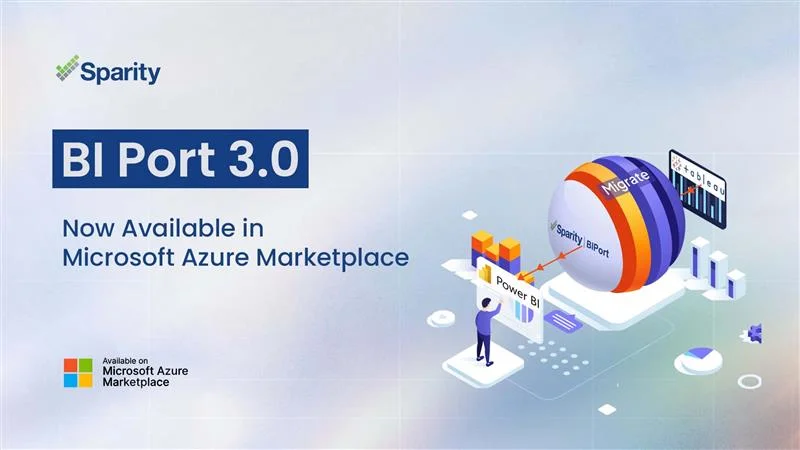
Sparity, a trusted Microsoft Solutions Partner, announced that its business intelligence migration platform, BIPort 3.0 is now available in the Microsoft Azure Marketplace. The introduction of BIPort 3.0 in Azure marks a key moment as enterprises look for BI migration and management options that are seamless, secure, and focused on performance. With the launch of BIPort 3.0, Sparity reaffirms its commitment to provide scalable, cloud-native analytics solutions that enable organizations to easily acquire actionable insights from their data. Businesses around the globe can easily access BIPort 3.0 through the reliable Microsoft cloud ecosystem, allowing them to deploy and scale their analytics solutions with ease. By leveraging the flexibility and scalability of Microsoft Azure, BIPort simplifies the critical task of migrating from legacy BI tools such as Tableau, Qlik, and SAP BO to Microsoft Power BI, minimizing risks, reducing costs, and accelerating time-to-value. Key capabilities BIPort 3.0 offers enhanced capabilities to simplify and facilitate enterprise business intelligence activities. Its automated migration tools help to streamline the process, significantly cutting down on manual work and speeding up migration timelines. With BIPort 3.0, the focus is on optimizing performance, ensuring that dashboards, visualizations, and models operate smoothly and quickly. It also comes equipped with strong governance and security features, including built-in access control, compliance, and data protection. Plus, organizations can enjoy cost savings, with migration expenses and time-to-value reduced by as much as 40% compared to traditional methods. The integration of BIPort 3.0 with Microsoft Azure provides a global scale for enterprises, allowing deployments across geographies and supports hybrid and multi-cloud environments. The integration provides enterprise-grade security to meet Microsoft’s strict security standards as well as access to the broader Azure ecosystem to extend capabilities with Microsoft’s AI, analytics, and enterprise offering. About Sparity Sparity is a global tech consulting and solutions firm that specializes in advanced analytics, cloud transformation, and digital innovation. With extensive expertise in various sectors like banking, manufacturing, supply chain, and healthcare, Sparity empowers businesses to harness the power of their data and speed up their digital transformation journey. The availability of BIPort 3.0 in the Microsoft Azure Marketplace marks a significant step forward for organizations seeking a modern, cloud-first approach to business intelligence.
Role of Agentic AI in the Banking Industry

Agentic AI is drastically reshaping the way industries think about automation, and AI in Banking is emerging as one of the most transformative applications. Unlike traditional AI, it works by absorbing information, detecting patterns, and making decisions in real-time. The self-directed intelligence capability of Agentic AI has increased its adoption across sectors, especially in Banking. For instance, banks are now leveraging Agentic AI to monitor transaction anomalies across millions of accounts simultaneously. With the help of Agentic AI banks can detect unusual transactions in seconds, trigger automatic alerts and initiate preventive actions which are faster than the manual process. Moreover, AI agents personalize customer interactions by analyzing their spending habits and offering them discounts accordingly. It also helps to reduce the human-error, accelerates operational workflow and enables banks to focus on the strategic initiatives. AI agents are capable of increasing return on investment ROI for banks by identifying the underserved segments of the market. The process involves suggesting strategies to tap into such segments by offering them micro-loan, tailored savings plan or automated advisory services. This helps to strengthen the customer relationship, which is difficult with traditional systems. The Forrester study by AWS Marketplace has revealed that 88% of financial service leaders agree their institutions need to innovate faster to get ahead of their competitors. This represents a fundamental shift toward more autonomous financial systems. Every minute, banks handle thousands of transactions, process checks, receive customer requests, and issue fraud alerts but to manage all of these, Speed, Accuracy, and Judgment are required. Agentic AI has indeed proved to be an active decision-maker by flagging suspicious transactions before they escalate, personalizing customer interactions, and approving loans based on calculations. The emerging landscape of Agentic AI Agentic AI is being rapidly adopted in banking, helping institutions manage scale, compliance, and evolving customer needs. A 2025 survey conducted by MIT Technology Review with 250 banking executives found that 70% of leaders have stated that their firms use Agentic AI 16% in existing deployments and 25% in pilot projects. More than 50% of the executives have stated that AI systems are capable of improving fraud detection to 56% and security by 51%. Also, the results state that there is a 41% improvement in reducing cost and increasing efficiency, and improving customer experience by 41%. The Business Benefits of Agentic AI for Banks It has been found that 91% of finance professionals view AI agents as an assistant for fraud prevention, risk assessment, and to streamline financial processes. 1. Cost Efficiency and Operational Productivity Agentic AI unifies multiple workflows, replacing fragmented systems with a single intelligent layer cutting costs and boosting productivity. 2. Revenue Growth and New Customer Acquisition By identifying customer needs in real time, Agentic AI delivers hyper-personalized recommendations. Moreover, it cross-sells, upsells, and attracts the untapped segment by identifying their requirements. 3. Risk Mitigation and Capital Optimization Predictive maintenance by Agentic AI helps to identify early warning signs of fraud detection and flags issues. These AI agents can modify models dynamically in real-time, further refining credit risk and fraud detection models. Applications of Agentic AI in Banking Agentic AI is moving beyond single departments and reshaping workflows across the front, middle, and back office. They are becoming deeply embedded in how banks operate. 1. Risk & Compliance Management Agentic AI has a built-in compliance monitoring module that continuously tracks regulatory changes and transaction activity to update compliance policies and alert stakeholders when there is an anomaly. 2. Fraud Detection & Intervention Fraud costs banks billions of dollars each year, and static detection systems are slow to keep up with new schemes. Agentic AI uses sophisticated pattern recognition across transaction flows to immediately discover irregularities and take actions blocking accounts, freezing transactions, or notifying investigators. 3. Credit Scoring & Loan Processing Automated agents have the authority to accept and deny loans, which cuts the turnaround time, thereby reducing bias and optimizing the bank’s lending portfolio. 4. Automated Reporting & Documentation Regulatory reports, audit trails, and internal compliance documentation are processed, and audit-ready documents are generated. Agentic AI ensures that both regulators and executives have access to accurate, real-time data. 5. Resource Allocation & Optimization Agentic AI reallocates resources in real-time, reducing infrastructure costs and optimizing workforce deployment. 6. Data Processing & Predictive Insights By analyzing structured and unstructured data, Agentic AI identifies unknown patterns and trends. This helps banks to predict market mobilities, evaluate portfolio risks, and enhance decision-making at a strategic level. Banking Copilots: Power BI + Agentic AI for Real-Time Decisioning The future of banking decision-making is no longer confined to dashboards, it’s about conversational, real-time copilots. This is where the combination of Power BI and Agentic AI is reshaping leadership workflows in the financial sector. Power BI Copilot offers a natural language interface, allowing decision-makers to interact with data seamlessly. Agentic AI comes with autonomous intelligence that absorbs information across transactions, compliance systems, and fraud alerts, and acts as a proactive advisor. This helps the banking industry to get accurate analyst-generated reports, faster detection of compliance risks, and data-backed decisions. It transforms oversight into a dynamic process, where insights are continuously updated and available in plain language. As banks adopt multi-agent systems, the next frontier will be autonomous financial ecosystems where copilots collaborate across departments. At Sparity, we’re helping banks move toward this future by combining cloud-first architectures, data modernization frameworks, and AI integrations like Power BI Copilot. Our approach ensures that Agentic AI copilots are not only intelligent but also governed, auditable, and secure, so leaders can trust every insight they receive. Let’s turn complex data into real-time banking insights – connect with us
How a Risk Management Firm Achieved 50–70% Faster Data Processing with Medallion Architecture

Client Background A Leading Risk Management Services firm, with expertise in compliance monitoring, fraud detection, and financial risk assessments, was held back by on-premises SQL Server and rigid SSIS pipelines. The fragmented data across ERP, CRM, PostgreSQL, and SQL Server systems, lead to scalability issues, inconsistent reporting, and heightened compliance risks due to absence of governance and version control. Project Objectives Solution & Implementation We reimagined the client’s data ecosystem using Azure and Databricks, with the Medallion Architecture (Bronze → Silver → Gold) at the core: The Data Modernization Journey Impact Delivered
How Power BI is transforming the Pharmaceutical Industry
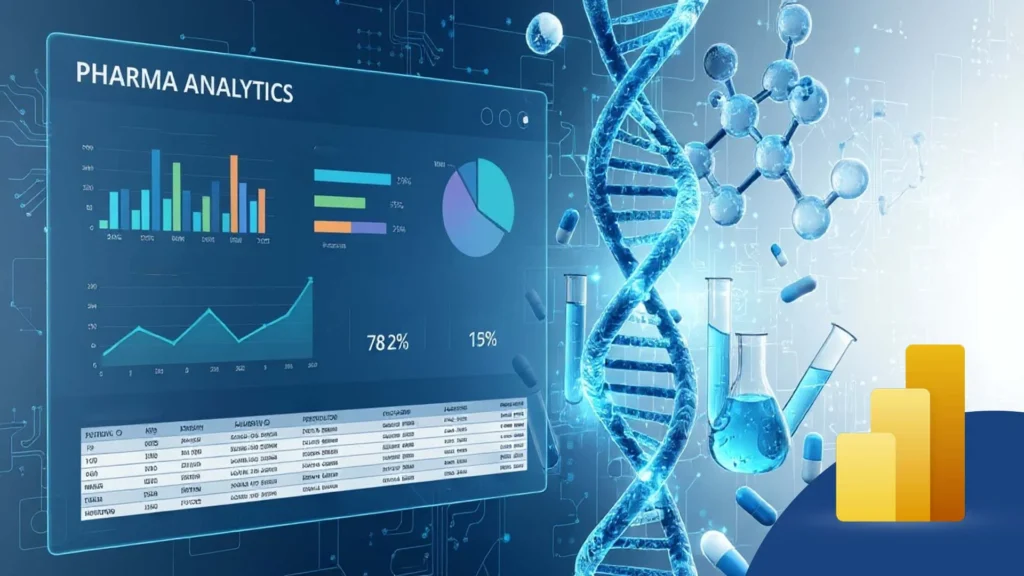
The pharmaceutical industry is expected to grow at a compound annual growth rate (CAGR) of approximately 6.1% between 2025 and 2030. But while this growth is phenomenal, the industry constantly struggles with ineffective data, increased regulatory requirements, and lengthy clinical trials. This is where Power BI in pharma industry applications comes in, offering real-time insights to address these challenges. Why the Pharmaceutical Industry Needs Power BI Advanced Analytics The COVID-19 crisis exposed a harsh reality that without the right analytics, pharma organizations would underperform. As per McKinsey’s analysis, the broader integration of data-driven technologies can enhance business performance. But now, the demand for Power BI in the Pharmaceutical Industry has increased, as companies turn their raw data into rich insights to drive business performance. The global healthcare business intelligence market reflects this momentum, as it was valued at USD 9.92 billion in 2024 and expected to reach USD 31.8 billion by 2033, growing at a CAGR of nearly 13.9%. Though these numbers reflect growth, they also highlight urgency. Power BI has made clinical trials more efficient, strengthened compliance reporting, and optimized supply chains. In an industry like Pharma, advanced analytics establishes the foundation for smarter, faster, and safer pharmaceutical progress. Key Benefits of Power BI for Pharmaceutical Industry Pharmaceutical companies generate massive data right from R&D and clinical trials to supply chain, regulatory filings, and sales operations. Power BI bridges these fragmented silos by creating: Now, let’s look at some of the industry specific examples of Power BI in Pharma sector- Top Power BI Use Cases in the Pharmaceutical Industry Clinical Trials Management Drug Development Acceleration Regulatory Compliance Manufacturing & Quality Control Supply Chain Optimization Sales & Marketing Analytics Financial Analysis Drug Safety & Pharmacovigilance The Future of Power BI for Pharmaceutical Industry Power BI is evolving beyond dashboards. Trials are being done by pharmaceutical companies to combine AI and predictive analytics. The pharma industry is advancing the technology to combine Business Intelligence with Artificial Intelligence to move from reactive reporting to proactive intelligence. According to McKinsey, predictive modeling would significantly benefit the discovery of new medications and their optimization in healthcare. The average potential impact is large, and within a period of 10 years it is expected to increase at 45 to 70 percent. At Sparity, we don’t just implement Power BI, we accelerate transformation. From AI-powered migration tools like BIport to cloud-first architectures for pharma compliance, healthcare industry we ensure your data moves from silos to strategy. The result? Faster trials, reduced compliance risk, and smarter decision-making across the value chain. The future of pharma is data-driven. Sparity is here to help you make that shift with speed, compliance, and innovation at scale. Frequently Asked Questions
Why Agentic AI Matters for Future-Ready Enterprises

We’ve all typed prompts into ChatGPT, Gemini, Perplexity, etc, but what if AI didn’t wait for you to ask? What if it just observed your patterns, reasoned, and acted on its own? Well, that’s what Agentic AI is all about. What is Agentic AI and Why Does it Matter? AI is at the center of global innovation, with LLMs like ChatGPT, Gemini, and Perplexity leading the way. Agentic AI is the next evolution of artificial intelligence systems that don’t wait for repeated instructions; instead, they act autonomously. Unlike traditional AI, which waits for user input, Agentic AI observes, reasons, and decides outcomes. It predicts risks, takes proactive action, and reshapes how businesses operate. According to a report by Gartner Inc., 40% of enterprise applications will be integrated with task-specific AI agents by 2026, which is just 5% today. This simply indicates that Agentic AI in enterprise applications will move from being the individual productivity tool to being the helping hand for teams and workflows through smart human-agent interactions. Agentic AI works by perceiving the environment, understanding goals, and executing actions independently with minimal human intervention. For example, Agentic AI in Healthcare monitors patients, detects anomalies, and alerts medical staff, and sometimes even initiates intervention protocols. Whereas, in Supply Chain Management, Agentic AI helps to anticipate the delays, reroute the shipment in real time, and notifies stakeholders autonomously. Key Benefits of Agentic AI for Enterprise Agentic AI isn’t just a new tech trend; Agentic AI for Enterprise delivers measurable impact by transforming workflows and driving innovation across industries. Agentic AI predicts the issues, anticipates risks, and acts accordingly. Some of the examples are- rerouting shipments, blocking fraudulent transactions, or flagging patient health risks. At Sparity, we design pipelines that ensure such predictions are reliable and actionable. Because Agentic AI continuously learns and adapts in real time, enterprises benefit from reduced downtime, optimized costs, and uninterrupted operations. With our GenAI Ops frameworks, this efficiency becomes scalable. Traditional automation often struggles with complexity. Agentic AI can handle large-scale, dynamic environments from global supply chains to multi-channel customer support. By combining data analysis with autonomous action, agentic AI augments human teams, helping leaders make faster, more accurate decisions. Agentic AI can enhance customer engagement with personalized and real-time responses, thereby helping to provide answers before the issues escalate. How Sparity Helps Enterprises Prepare for Agentic AI At Sparity, we see Agentic AI for Enterprise not as a buzzword, but as the natural next step in AI’s journey. As technology evolves at lightning speed, enterprises need a strong foundation.. As technology evolves at lightning speed, enterprises need a strong foundation. At Sparity, we combine data science, analytics, and GenAI services to build that foundation, making enterprises agentic-ready Our Competitive Edge A Practical Roadmap for Agentic AI Adopting agentic AI isn’t a one-click process. It requires careful planning, data readiness, and the right experiments. Here’s a practical roadmap. Here’s how enterprises can build towards agentic AI today, with Sparity as a partner: At Sparity, we believe that autonomy starts with data discipline. Our teams build clean, reliable, and scalable data pipelines by utilizing modern architecture like Azure Data Factory, Data Lake Gen2, and Delta Lake. These systems ensure enterprises can process the right data in real time. We design adaptive ML and GenAI systems that continuously learn from new inputs, detect shifts, and refine themselves. By combining predictive models, generative intelligence, and feedback loops, we ensure your AI grows smarter with every interaction. This ensures your AI doesn’t just serve today’s needs but evolves for tomorrow’s challenges. We help enterprises pilot autonomy in low-risk and high-impact workflows. Be it fraud detection in banking or demand forecasting for the manufacturing sector, our controlled experiments deliver measurable outcomes. Tools such as Unity Catalog, role-based access controls, and lineage tracking are used for governance and scalability frameworks. We design architectures that can effortlessly scale across functions to accommodate growth. Insights: Real-world examples of Agentic AI Here are some of the examples from industry to understand the benefits of using Agentic AI. A study by McKinsey found that agentic AI can increase productivity by 40% and research by Stanford University found that it reduces time spent on data analysis by up to 80% of routine tasks, which enables human workers to focus on high-value tasks. The classic example from Mercedes-Benz is that it achieved a 25% reduction in operational costs through Agentic AI-powered virtual assistants (MBUX). This shows how even traditional industries can unlock efficiency. At Sparity, we see similar opportunities in manufacturing and retail. Merck was able to analyze vast amounts of medical data, identify the patterns, and develop treatment plans, which helped in the reduction of treatment times. Healthcare isn’t just about speed; it’s about trust. Agentic AI ensures both, and our work with data governance frameworks prepares enterprises for this. Ready to Build Your Agentic AI Future? If you’re ready to lead in the AI era, Sparity can help you go beyond dashboards and static alerts and build true agentic intelligence. Our team goes beyond traditional analytics, beyond static dashboards and simple alerts, to design intelligent, adaptive solutions that put you at the forefront of the agentic AI revolution. The era of dashboards is over. Ready to build AI that thinks and acts for your business? Let’s build it together.
How Power BI for Banking and Finance Delivers Game-Changing, Real-Time Insights

The banking and finance industry is constantly challenged by tight regulations, rising fraud risks, and high customer expectations issues where Power BI for banking and finance provides a critical solution. A classic example is the Bank of Montreal, whose team struggled with Value-at-Risk calculations slowing down, taking 4-6 hours to run. This exposed them to risks of missing regulatory deadlines and delayed decision-making, highlighting the need for a more efficient analytics platform. To stay competitive, financial institutions need data-driven systems which are fast, reliable, and perform 10X better than the traditional reporting tools. This is where Power BI for banking and finance offers a powerful solution. It empowers institutions to outpace legacy tools by delivering real-time compliance, seamless customer analytics, and operational agility. From real-time fraud detection to compliance reporting, from ways to personalize customer interactions to predictive forecasting, Power BI brings clarity to complex financial data and helps organizations to plan, operate, and grow. Why Real-Time Analytics Matter for Power BI in Banking and Finance “According to NASSCOM (2025), Power BI’s AI-driven forecasting capabilities have improved budgeting accuracy and operational efficiency compared to legacy reporting systems.” Let’s look at some of the crucial aspects that Power BI helps with Power BI Tools and Features used in Banking and Finance The right tools are essential, and the features of Power BI for banking and finance work like a super-smart assistant for your data. It allows you to connect interfaces with any system – Excel spreadsheets, SQL databases, SAP, Salesforce, etc., ensuring nothing is forgotten. It combines all of your transactions, customer information, and financial data into one centralized, organized dashboard. What does this mean? You can view your business in full context, export reports easily, and make better decisions all without shifting between systems. 1. Data Connectivity and Integration 2. Advanced Data Modeling 3. Data Visualization and Reporting 4. AI and Machine Learning Features 5. Governance and Security 6. Collaboration and Distribution Key Applications of Power BI for Banking and Finance A key application of Power BI for banking and finance is allowing analysts to track key performance indicators like revenue, expenses, and profit margins in real-time. Additionally, interactive dashboards provide the ability to monitor cash flow, budget variances, and financial forecasts, aiding in the company’s financial integrity. 1. Financial Performance Analysis Power BI allows financial analysts to monitor KPIs, such as revenue, expense, and profit margin. Analysts can also keep track of cash flow, budget variances, and financial forecasts through interactive dashboards. Using this real-time monitoring will secure a company’s financial stability. 2. Fraud and Risk Management With increasing cybersecurity threats, banks need to work on identifying fraud and security risks. By analyzing transaction patterns, Power BI enhances fraud detection and flags suspicious activities detected from an unknown source or location. 3. Customer Insights and Personalization Power BI can enable banks to segment customer data by demographics, transaction history, and behavioral patterns. To provide a personalized banking experience, a tailored marketing campaign, and enriched customer engagement are implemented. 4. Regulatory Compliance and Automated Reporting Adhering to financial regulations such as Basel III, IFRS, and SOX is critical. Power BI can merge many different sources of data together for regulatory compliance reporting. Reports produced using Power BI are automated, resulting in fewer manual errors and producing timely and accurate reports. 5. Investment and Portfolio Management Power BI’s portfolio analysis capabilities help to monitor the stock performance, evaluate risks, and optimize asset allocations. Its ability to analyze the market in real time allows investors to make well-informed, strategic decisions that help maximize returns while minimizing risks. 6. Operational Efficiency and Cost Optimization Most financial institutions face high operational costs caused by various manual processes and inefficient operations. Power BI can improve operational efficiency in the financial services sector by eliminating the need for manual analysis of data, cutting down on the number of paper documents, and locating cost-saving opportunities that will ultimately improve productivity and efficiency. Core Benefits of Using Power BI for Banking and Finance Power BI has great functional capabilities for banking and finance, including advanced data visualization and interactive dashboards to provide tailored, visual reports bringing issues to the surface and presenting information clearly, such as revenue, expenses, profit margins, cash service, budget variances, forecasts, etc. This allows management to note issues in real-time and make interpretations. Automated Insights and Machine Learning Integration Power BI now offers advanced automated analysis capabilities, a critical feature of Power BI for banking and finance that allows datasets to be examined without direct intervention. This is hugely beneficial for the large, complex datasets common in the financial industry, where manual analysis may take too long. Automated insights are presented visually, helping users quickly recognize relationships, outliers, and critical changes in their data. It also integrates with AI-assisted features like anomaly detection and Copilot, which are essential in Power BI for banking & finance for providing actionable insights and explaining patterns driving results. The platform also offers no-code/low-code machine learning features, allowing financial institutions to build predictive models via a simple drag-and-drop interface. Metro Bank, a famous player in the banking sector, provides a powerful case study for Power BI for banking and finance. The institution has leveraged the platform to monitor Key Performance Indicators (KPIs), improve workforce planning, and increase customer satisfaction. The bank utilizes dashboards to identify real-time performance and is changing strategies, implementing machine learning to predict future trends and allocate resources accordingly. In addition to this, Metro Bank has integrated Power BI with Artificial Intelligence to understand complex datasets and derive meaningful patterns. Future of Power BI in Finance It has been observed that predictive analysis will refine financial forecasting, risk management and investment plans. In future, Power BI will be used to advance data security and governance, increase automation of reporting, and real-time financial dashboarding with new features. This will help the finance sector to plan efficient resource allocation and strategic decision-making. These capabilities are expected to revolutionize overall financial performance by transforming complex data into actionable insights.